Dispatch: Courier’s First Internal Hackathon
Danny Douglass
October 22, 2020

Table of contents
One of the most exciting internal events at Courier is our internal hackathon, named “Dispatch”. As we gear up to host our second hackathon next week, I wanted to share a quick recap of how our first Dispatch went earlier this year and why I think more companies should consider hosting internal events in this format.
Events like Dispatch provide exciting opportunities for companies, such as:
- Collaborating with cross-functional teams that might not otherwise spend time together.
- Cultivating the creativity from every person in the organization - just about everything that was built in Dispatch eventually found its way into the product!
- Providing experience for activities that some roles might not otherwise have easy chances in which to grow (e.g. public speaking via the closing presentations).
At the time, Courier was a team of 9 people located on both coasts of the US, however we decided to hold the event with our entire team visiting HQ in San Francisco. That allowed us to maximize the time we had to collaborate face-to-face and iterate very quickly on all of the creativity bouncing around the office.
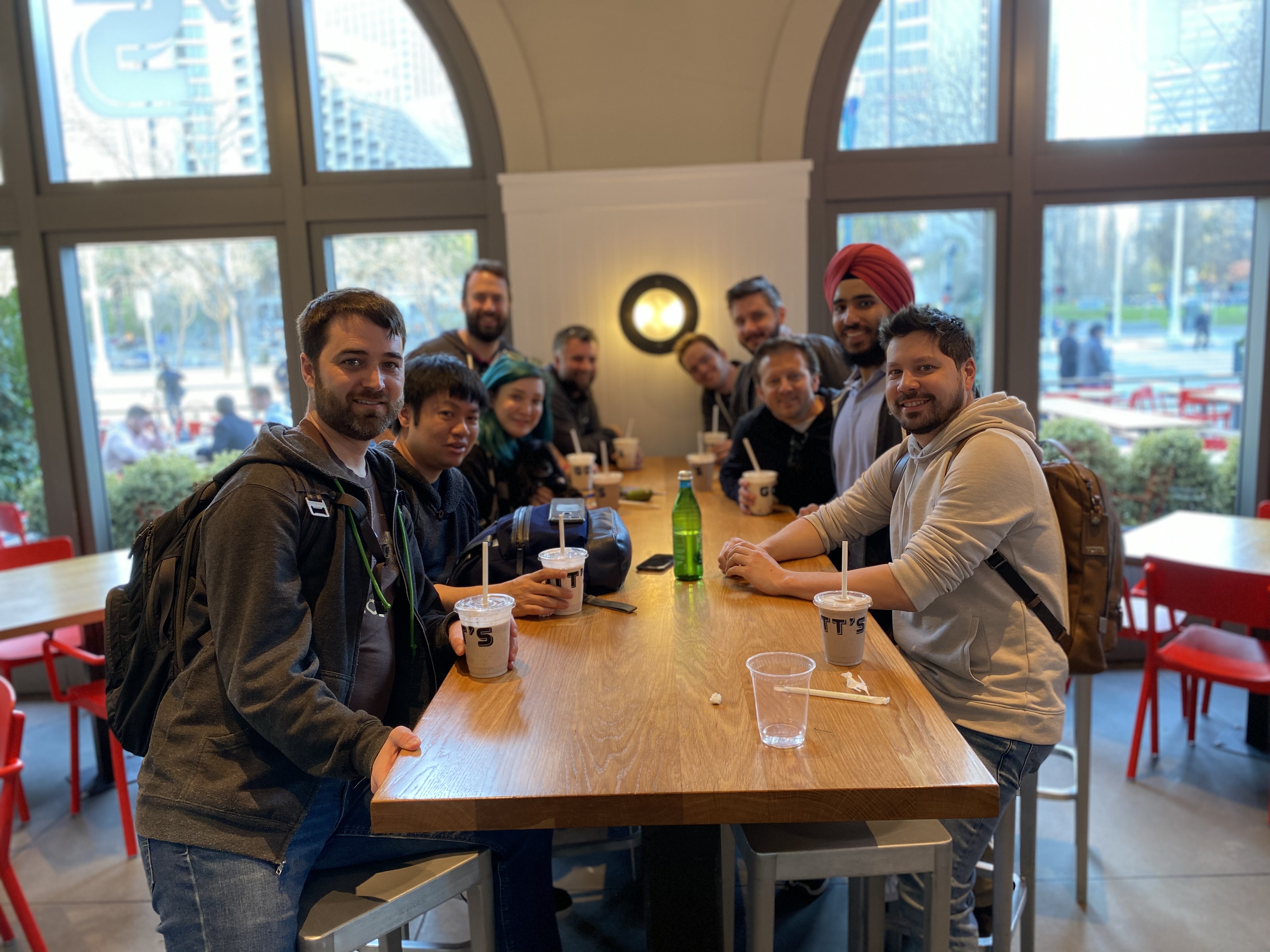
That is not to say you cannot be successful conducting this remotely - you certainly could! We will see in a moment that our guidelines structuring Dispatch were intentionally quite vague. One recommendation would be to attempt to create a balanced playing field for each team, such as requiring all teams to have remote employees if folks are not collocated during the event.
The Plan
We purposely tried to keep rules to a minimum to allow for plenty of creativity flexibility. Our main restriction was that teams must be 1-2 people maximum since we only have 9 folks to go around.
Otherwise, for 24 hours teams can create a project(s) of their choosing that will enrich or enhance the Courier experience. Projects are evaluated by a panel of judges during a short presentation and Q&A. Since this was our first attempt at Dispatch, we did not preemptively build judging benchmarks, however it is recommended for larger events to surface these categories prior to starting. The key is to balance scoring across different functions that include both technical and non-technical measures. Ultimately what companies value can greatly differ, but here are spark some ideas (and some that were utilized at past companies):
- Ambition: Certain innovations may open up new doors for a larger play or just additional feature sets, which would be a bonus for a team looking to score big on this category.
- Business Impact: Would this feature ramp up the Demo or help the product fly off the shelf?
- Innovation: Leveraging technologies, products, ideas, etc. that are new or used in a fresh, creative way is the recipe for a top innovation score.
- Presentation Quality: Teams that effectively plan and execute their presentation will shine here. Those that cut presentation time a bit too short with adding that last excitor might struggle to excel on this point.
- Technical Difficulty: Some projects may not be UI-facing, but nonetheless incredibly valuable and this category often rewards those projects. Though this can be a positive category for other types of projects.
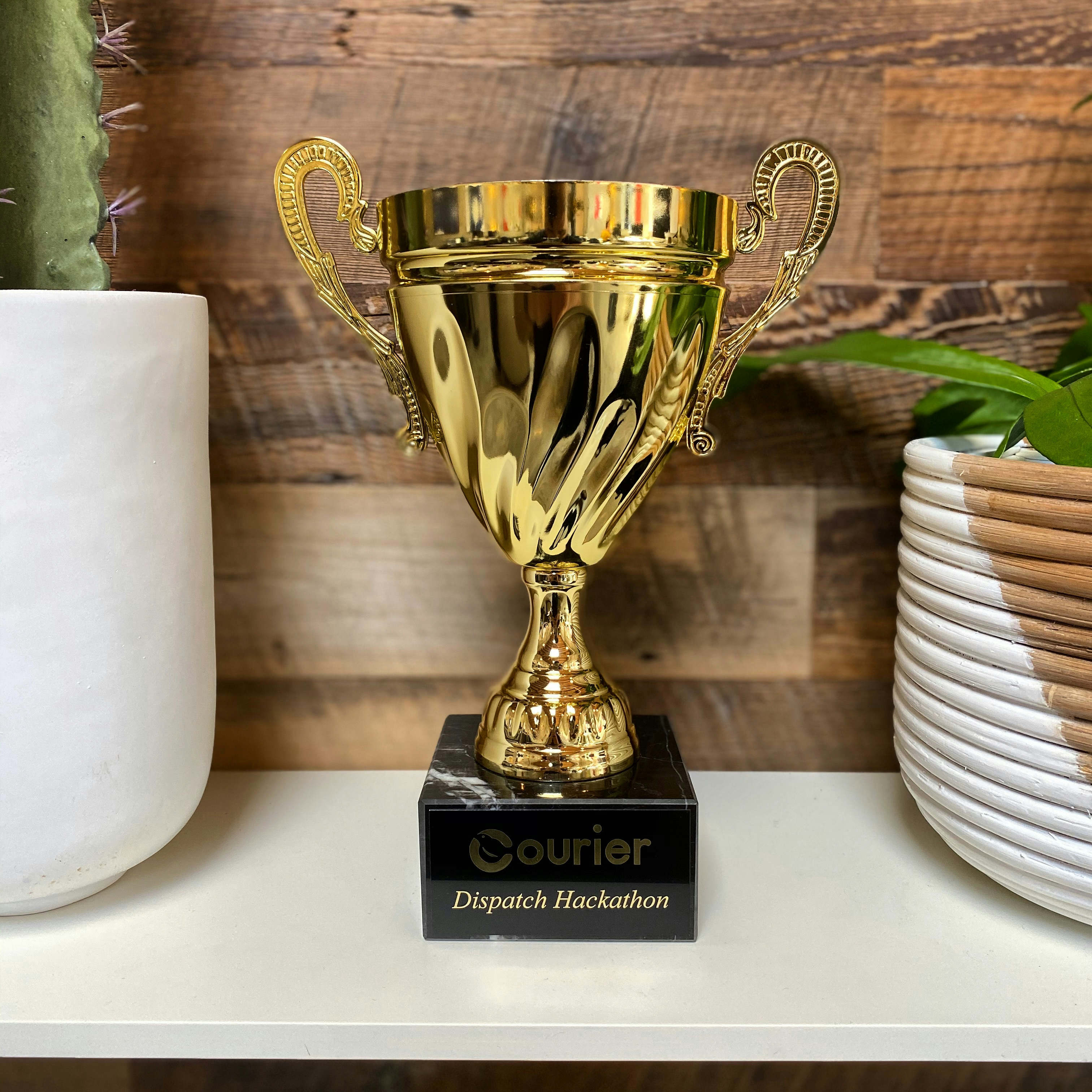
The winning team receives bragging rights and are added to the Dispatch Hackathon Trophy to live on in infamy!
The Main Event
The agenda is fairly wide open and really just provides bookends for kicking things off and getting together for presentations (and of course, the heralded 🏆):
Day 1:
- 10:00: Ideation & Team Formation: Conceptual ideas were shared and bounced off folks informally. We did not require anyone to openly discuss their thoughts, however it did help refine some pitches and identify people similarly fired up about the topic.
- 11:00: Hacking Begins: Off to the races! Teams quickly moved to hunker down in a part of the office where they began planning and coding their Dispatch project. Be careful to not overlook time to prepare and practice the presentation!
Day 2:
- 11:00: Hacking Ends: Time to close that code editor. We took a break to eat lunch with the entire team, however some folks were still putting the final touches on their presentation, which was permitted until 1pm.
- 1:00: Team Presentations: The original plan was open, short presentations to the teams / judges, however the early days of covid-19 threw us a curveball. More on how we handled that later.
- 2:00: Awards: Once again, the original plan provided judges 15-20 minutes to deliberate and rank the projects. Turned out to be more of a fluid situation that resulted in the announcement coming a bit later.
The rest of the time is available to the teams to split between strategy, execution, and presentation of their idea(s). How teams decide to allocate their 24 hrs can prove to be an interesting study.
The Teams
Once the clock struck 11am, it was time to turn ideas into execution plans.
My teammate Josh and I made our way to “The Laboratory” (creative space in our office) to iron out our plan and distribution of duties. Thanks to some ideation during the permitted hour leading up to the kickoff, we had a loose mental blueprint that helped us jump into coding within the first
~30 minutes. Here’s our team registration that came from that brainstorming session:
Subscribed
New API-focused Subscription UI backed by batch sending capabilities to make managing and sending to groups of people easy.
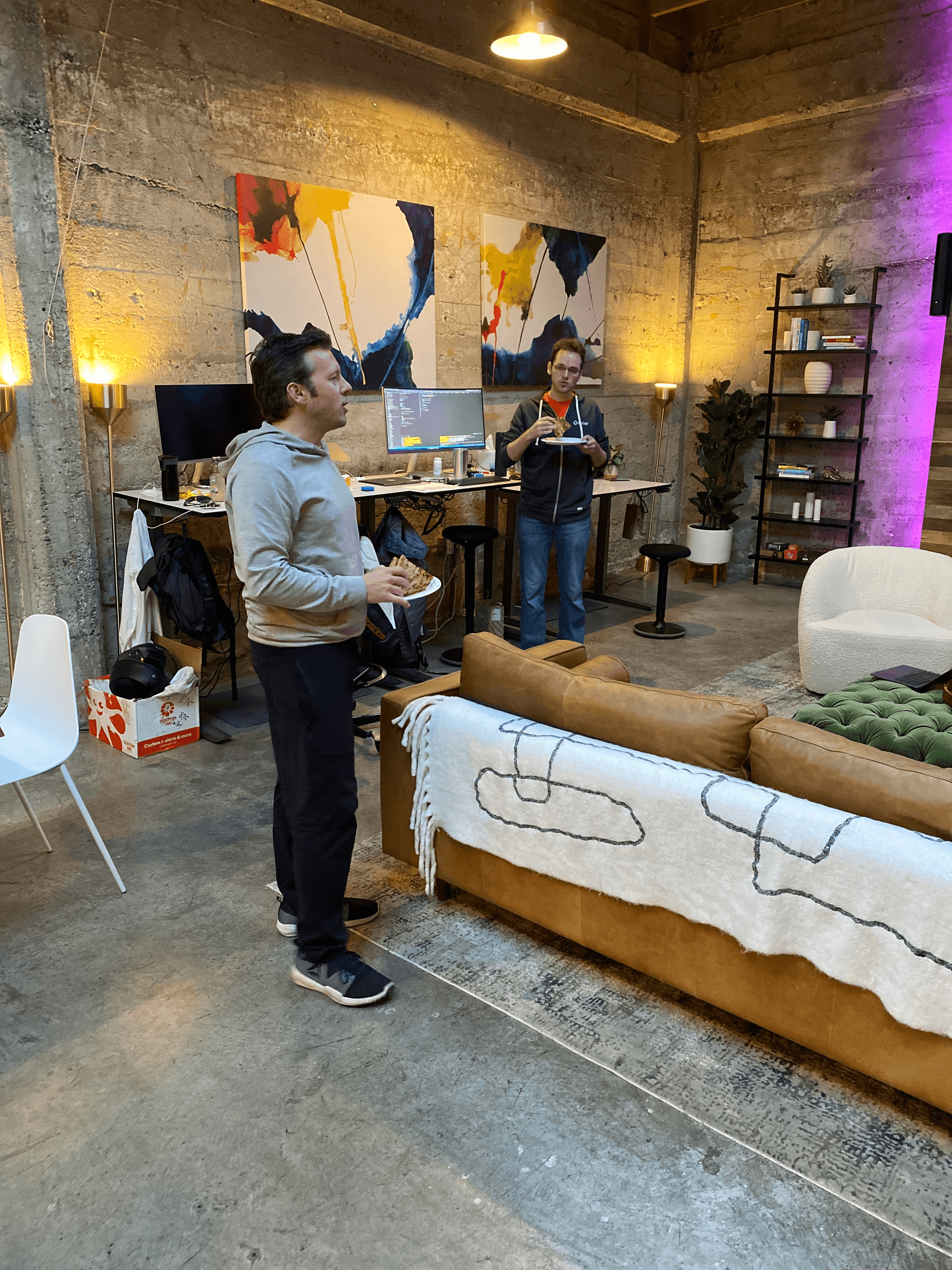
> “Besides the natural energy of the day, I loved teaming up to take an idea to an MVP in a 24 hour period.” - Danny, Engineering
> “I enjoyed being able to collaborate on a feature I have been wanting to explore for a while. We dove deep!” - Josh, Engineering
Our competition met in other parts of the office to get the balling rolling as well. Here’s a little preview of what other teams decided to tackle for their Dispatch project:
The Enrichment Committee
Enrich notification content and conditions with data from external sources.

> “It was really exciting to see how diverse the projects were and yet each could all feed off of one another as the concepts and execution were crafted beautifully simple.” - Justin
> “I was blown away at the quality and creativity of every single project. During similar events in the past, you always had a spectrum. They were all top notch.” - Seth, Engineering
Team Ramen
Preferences widget for customers to let their end users select their preferred channel for each notification.
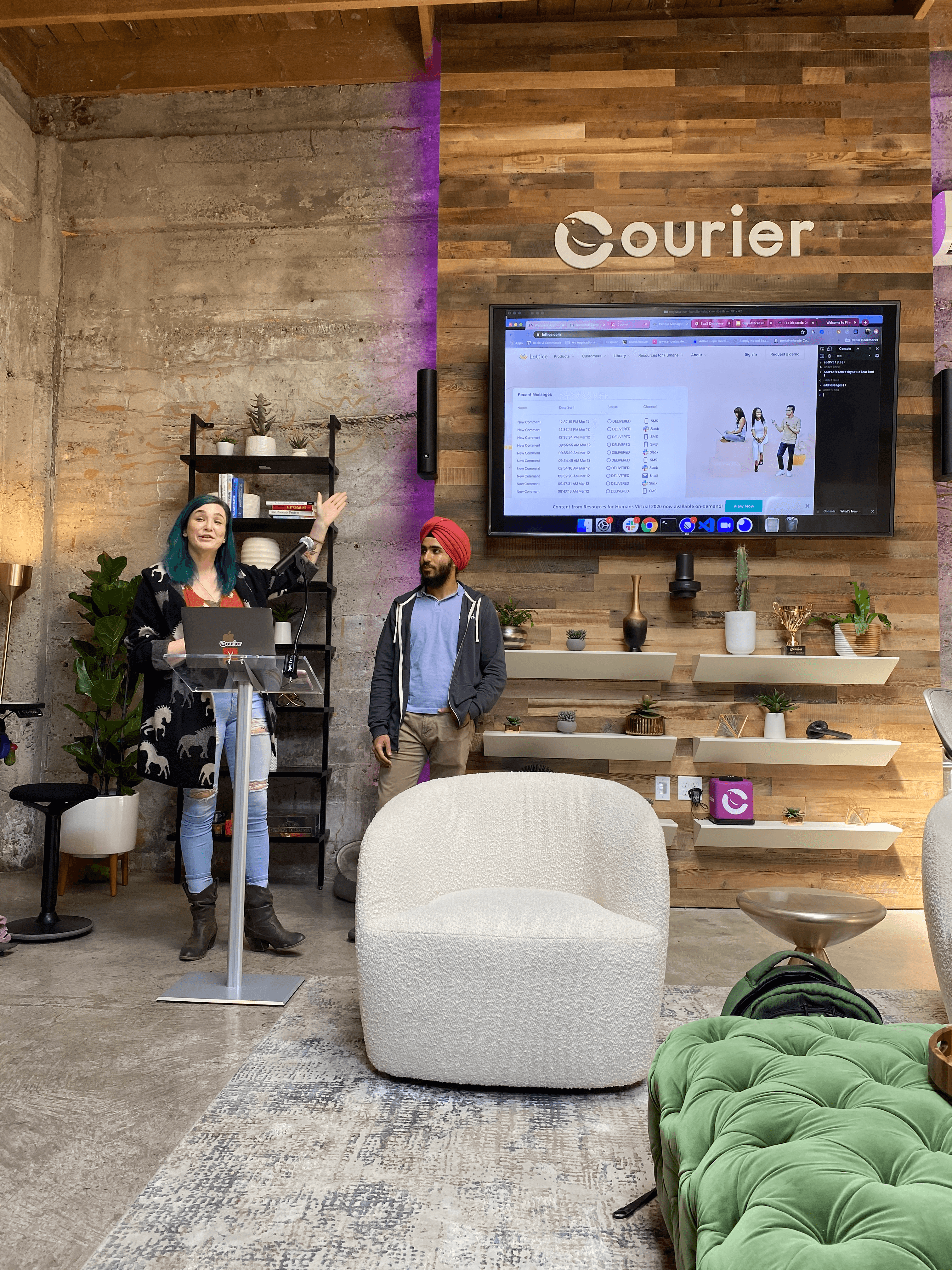
> “I loved getting up in front of the team and sharing something I had been thinking about since my first interview at Courier.” - Riley, Engineering
> “I would say my favorite part of dispatch was definitely how seriously everyone took it. I didn't think it was going to be that intense, but it was a pleasant surprise.” - Aman, Business Ops
Mobile Test Harness
Mobile app for testing push notifications sent from Courier via Expo.
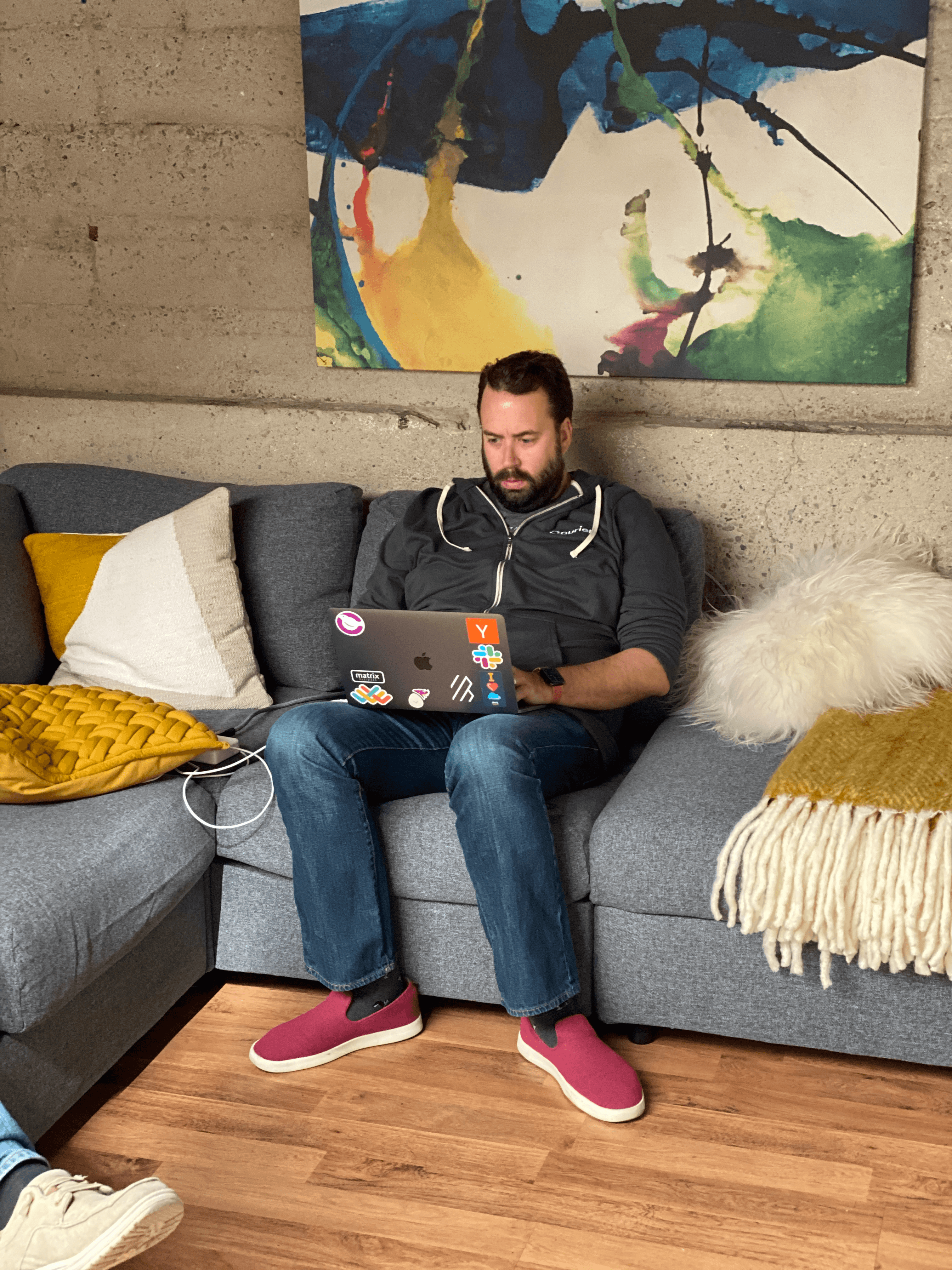
> “I'm trying to code“ - Troy, CEO & Founder
The Presentations
Teams reconvened with their projects and presentations now 100% complete in the heart of Courier HQ.
Each team used roughly 5-7 minutes to present and fielded a few additional minutes of Q&A. Normally, judges would then retreat to a private space where they would discuss projects for a bit and return with the winner (and perhaps the top 3 when more teams are involved). However, best-made plans of mice and men hackathons often see some scope creep, and our presentation hour was no exception due to early Covid-19 concerns.
Leveraging Loom (https://www.loom.com/) all teams recorded a ~5 minute judge-focused presentation to accommodate their need to stay remote. That required a little more time before results were in, but a silver lining is that everyone had the opportunity to practice building pitch videos for an MVP.
And finally...
The Winner
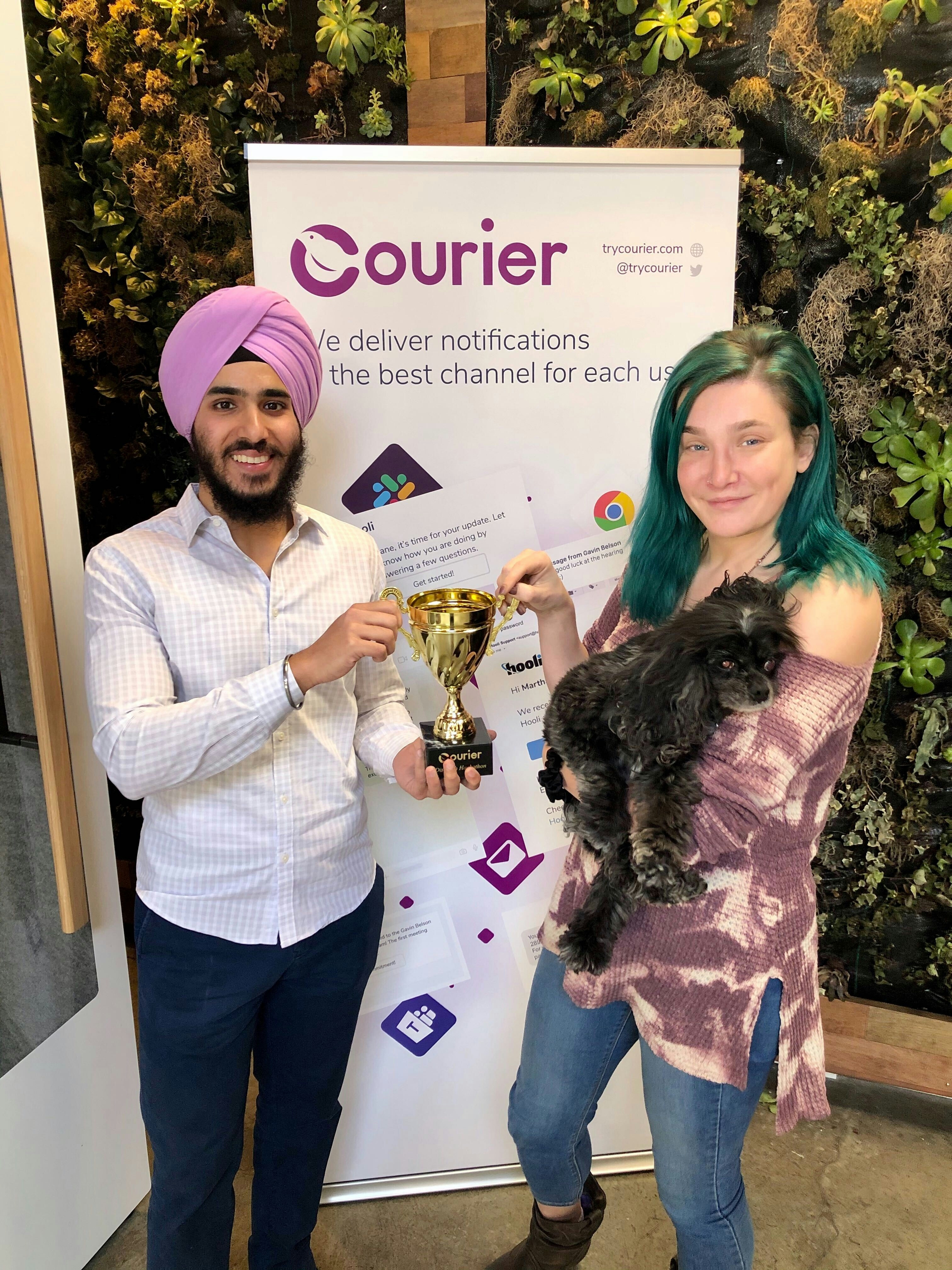
Congratulations to Team Ramen (Aman & Riley) for claiming the very first Courier Dispatch Trophy with Courier Embedded Profiles and Preferences!
Similar resources
How Product Teams Build, Test and Ship Multichannel Notifications in Design Studio
Product teams need to build, test, and ship notifications across multiple channels without filing an engineering ticket every time. Courier's Design Studio is the workspace for that: a template builder, visual channel routing, omnichannel testing, and publishing in one place. This post walks through the traditional template designer paradigm, how it splits effort across too many tools, and outlines a path for product and growth teams to ship transactional, product, and marketing notifications from a single workspace.
By Kyle Seyler
March 12, 2026

EU Data Residency for Notifications: What Engineering Teams Need to Know
Courier supports EU data residency through a dedicated datacenter in AWS EU-West-1 (Ireland), with full API feature parity, same-workspace dual-region access, built-in GDPR deletion endpoints, and localization support for multilingual notifications. Engineering teams can switch to EU hosting by changing a single base URL with no workspace migration or downtime required.
By Kyle Seyler
March 09, 2026
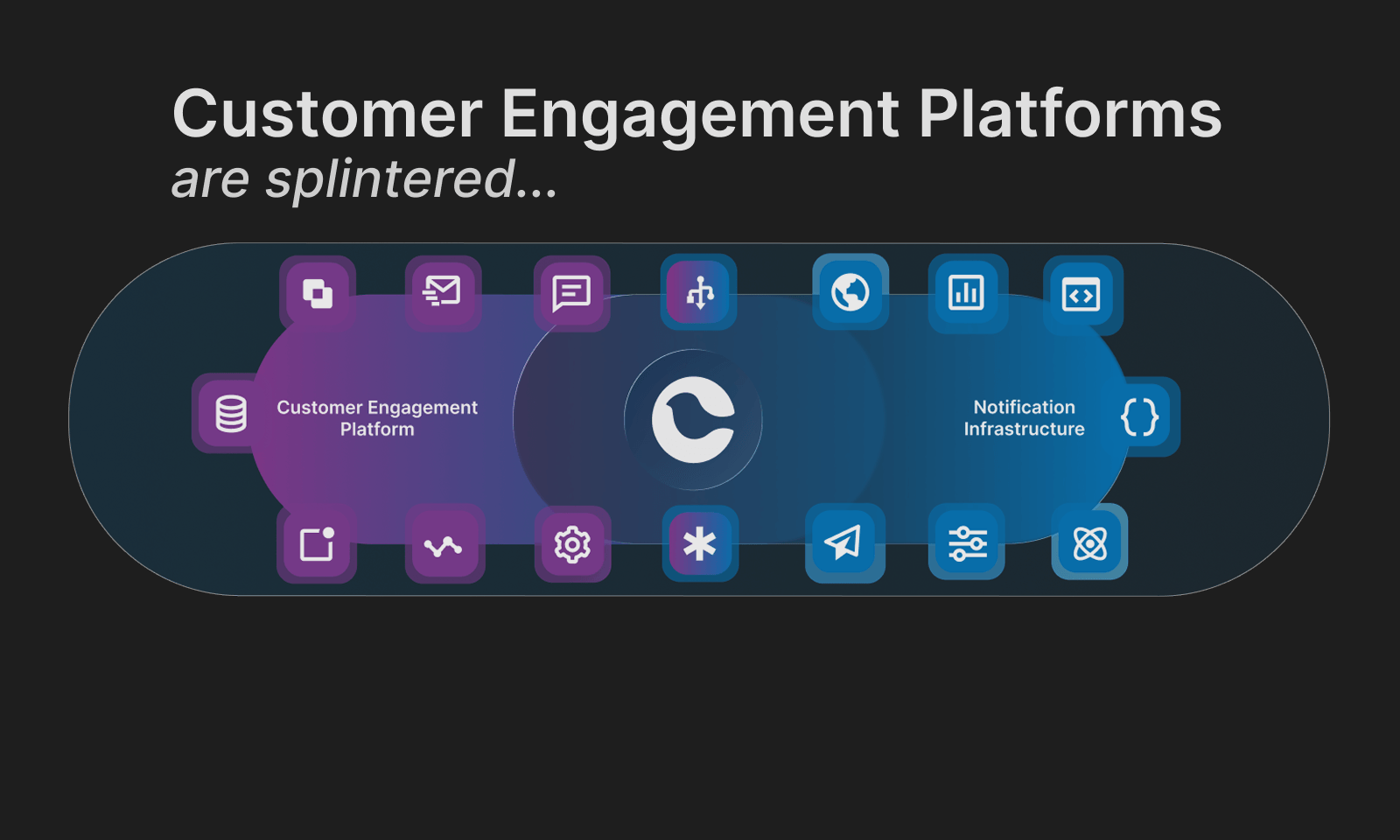
Customer Engagement Platforms Are Splintered. Message Orchestration Is the Fix
Customer engagement platforms are splintered. Some are built for campaigns, others for support automation, and others treat messaging as a transactional delivery problem. The result is collisions, blind spots, and message fatigue. The highest-leverage fix is solving the lifecycle-to-product and transactional vector with a message orchestration layer: one system that routes, suppresses, prioritizes, and observes messages across channels. Think air traffic control for user communications.
By Kyle Seyler
March 03, 2026
© 2026 Courier. All rights reserved.