Top 5 Considerations Before Rolling Out SMS Messages
 Kyle SeylerSeptember 12, 2025
Top 5 Considerations Before Rolling Out SMS Messages
You've got notifications working. Maybe you're sending emails, or you have push notifications running. Now you're thinking about adding SMS to the mix. SMS can make a real difference when done right, but there are some important things to think through first that'll save you headaches later.
In This Article
- Why Smart Channel Routing Matters Most
- Provider Flexibility Reduces Risk
- Unified API Management
- User Preference Management is Essential
- Logging and Analytics Matter
- Ready to Add SMS with Courier?
- Frequently Asked Questions
1. Why Smart Channel Routing with Courier Matters
SMS differs fundamentally from other channels in cost and user expectations. Users treat text messages as urgent communications requiring immediate attention, making multi-channel routing essential when implementing SMS.
Consider deciding when to use SMS for password resets. The decision involves multiple variables: verified phone numbers, SMS opt-in status, email fallback availability, and message urgency. Making these decisions manually creates maintenance overhead and increases error likelihood.
Courier's routing system eliminates this complexity by defining your strategy once and automatically applying it to all sends. The platform evaluates user preferences, channel availability, and predefined rules to select optimal delivery paths, ensuring consistent decisions while reducing code complexity.
const { requestId } = await courier.send({message: {to: {user_id: userId,email: "user@example.com",phone_number: "+1234567890"},template: "password-reset",routing: {method: "single",channels: ["sms", "email"]}}});
In this setup, Courier first attempts SMS delivery. If that fails (maybe the number is invalid or the user opted out), it automatically falls back to email. No complex if/else logic in your code. No manual retry handling. Just smart, reliable delivery.
Understanding Channel Failover Requirements
Production systems must account for provider outages and carrier throttling that disrupt SMS delivery. Without proper failover mechanisms, notifications become trapped in failed states. Courier addresses these challenges through comprehensive failover strategies.
Provider-level failover automatically switches to backup SMS providers when your primary service experiences issues. Channel-level failover moves messages to alternative channels when SMS fails entirely. Intelligent timeout management prevents indefinite delays by moving to alternatives based on configured time limits.
This multi-layered failover approach distinguishes enterprise-grade systems from basic implementations, making reliable delivery essential infrastructure rather than optional features.
2. Provider Flexibility Reduces Risk
SMS provider selection feels permanent, but business requirements change. You might start with Twilio for developer experience, then need MessageBird for international rates, or require regional providers for geographic expansion.
Vendor lock-in becomes risky when notification infrastructure couples tightly to a single provider's API. Code changes, testing cycles, and migration downtime can delay business initiatives. Courier eliminates this coupling through multiple SMS integrations, including Twilio, MessageBird, Vonage, Plivo, Sinch, and AWS SNS.
Provider switching through Courier requires no code changes. Configure your new provider through the dashboard, update routing preferences, and existing notification logic continues unchanged. This flexibility enables optimization for cost, performance, or compliance without technical debt.
Multi-Provider Implementation Strategies
Production applications benefit from running multiple SMS providers simultaneously. This provides vendor negotiation leverage, geographic optimization, and outage continuity. Managing multiple provider relationships becomes complex when implemented directly but manageable through unified platforms.
Courier enables per-message provider selection with automatic fallbacks. You can specify preferred providers for each message type while falling back to alternatives when unavailable. This allows cost optimization across regions and message types while maintaining reliability benefits.
3. Unified API Management
Development teams already manage complexity across notification channels: email templates, push certificates, and in-app formatting. Adding SMS traditionally means learning additional APIs, managing separate templates, and building distinct pipelines, increasing maintenance overhead and creating inconsistencies.
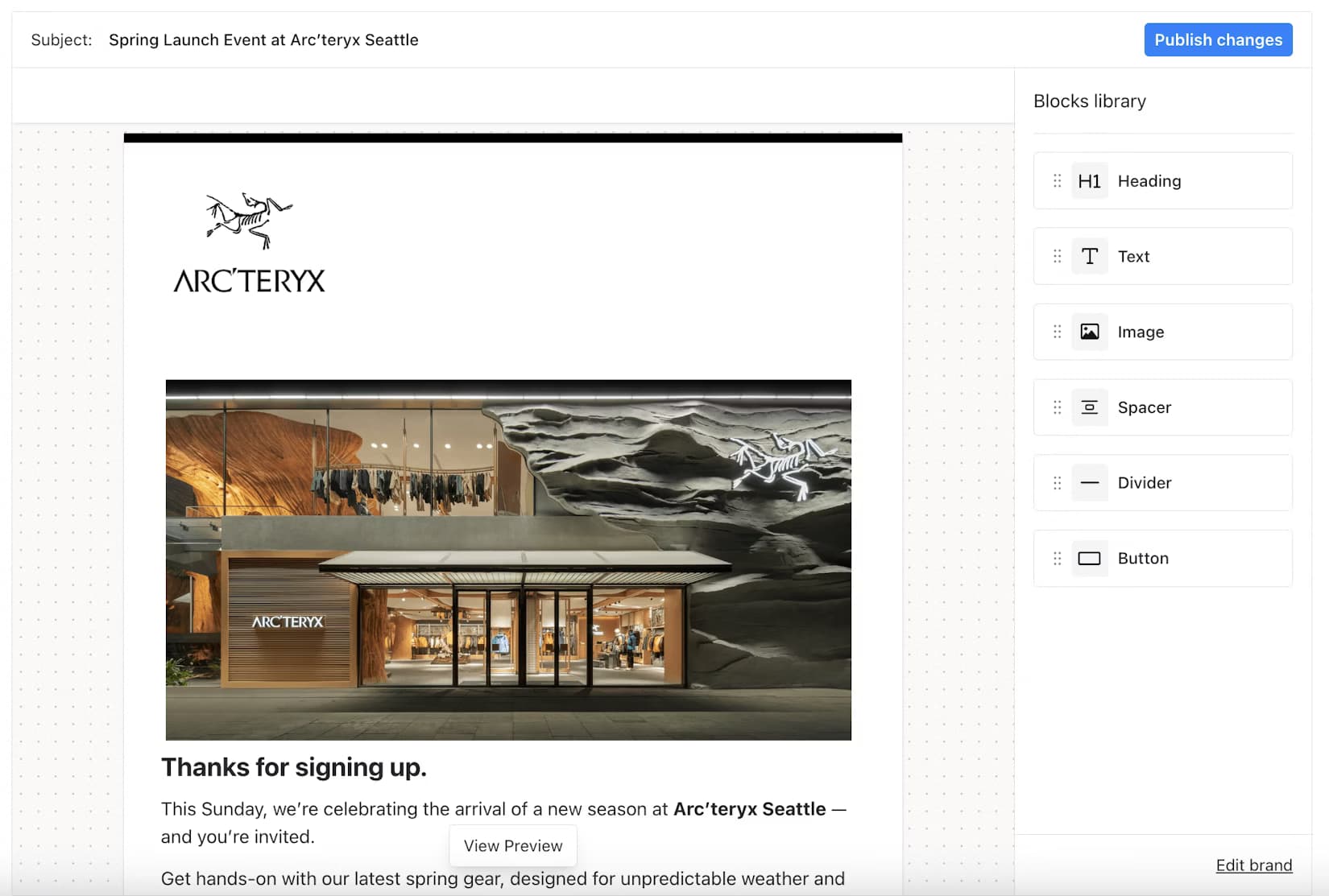
Courier consolidates all channels under a single API, eliminating separate integrations for each method. SMS becomes another channel option sharing authentication, template management, and analytics infrastructure. This allows creating templates once and deploying across channels with specific optimizations.
The template management system handles channel requirements automatically. SMS templates respect character limits while email versions include rich formatting. Variables work consistently across channels, and delivery tracking consolidates into one dashboard, letting teams focus on content rather than managing integrations.
Cross-Provider Template Consistency
SMS template management becomes complex with multiple providers implementing different formatting requirements, variable syntax, and content limitations. Direct integrations require separate template versions for each service, creating maintenance overhead and consistency risks.
Courier's template abstraction eliminates provider-specific differences. Write templates once using unified template language, and the platform automatically adapts them to each provider's requirements, ensuring consistent messaging while reducing maintenance burden.
4. User Preference Management is Essential
SMS opt-out capabilities are legally mandated, but effective preference management extends beyond basic opt-in/opt-out. Modern users expect granular control: which message types they receive via SMS, preferred delivery times, and different preferences for transactional versus marketing communications.
Traditional preference systems require custom development and ongoing maintenance to synchronize user choices with delivery logic. Changes often necessitate code updates across multiple components, leading to inconsistencies that violate user trust and regulatory requirements.
Courier's preference management system integrates directly with routing logic, automatically adjusting delivery when users update preferences. The system enforces choices without code changes, ensuring preference updates immediately affect future sends while eliminating violation risks and development overhead.
Transparency and User Control
User trust depends on transparency and control over communication preferences. When users understand their subscriptions and can easily modify preferences, they remain engaged rather than opting out entirely. Granular control allows users to optimize notifications for their specific needs.
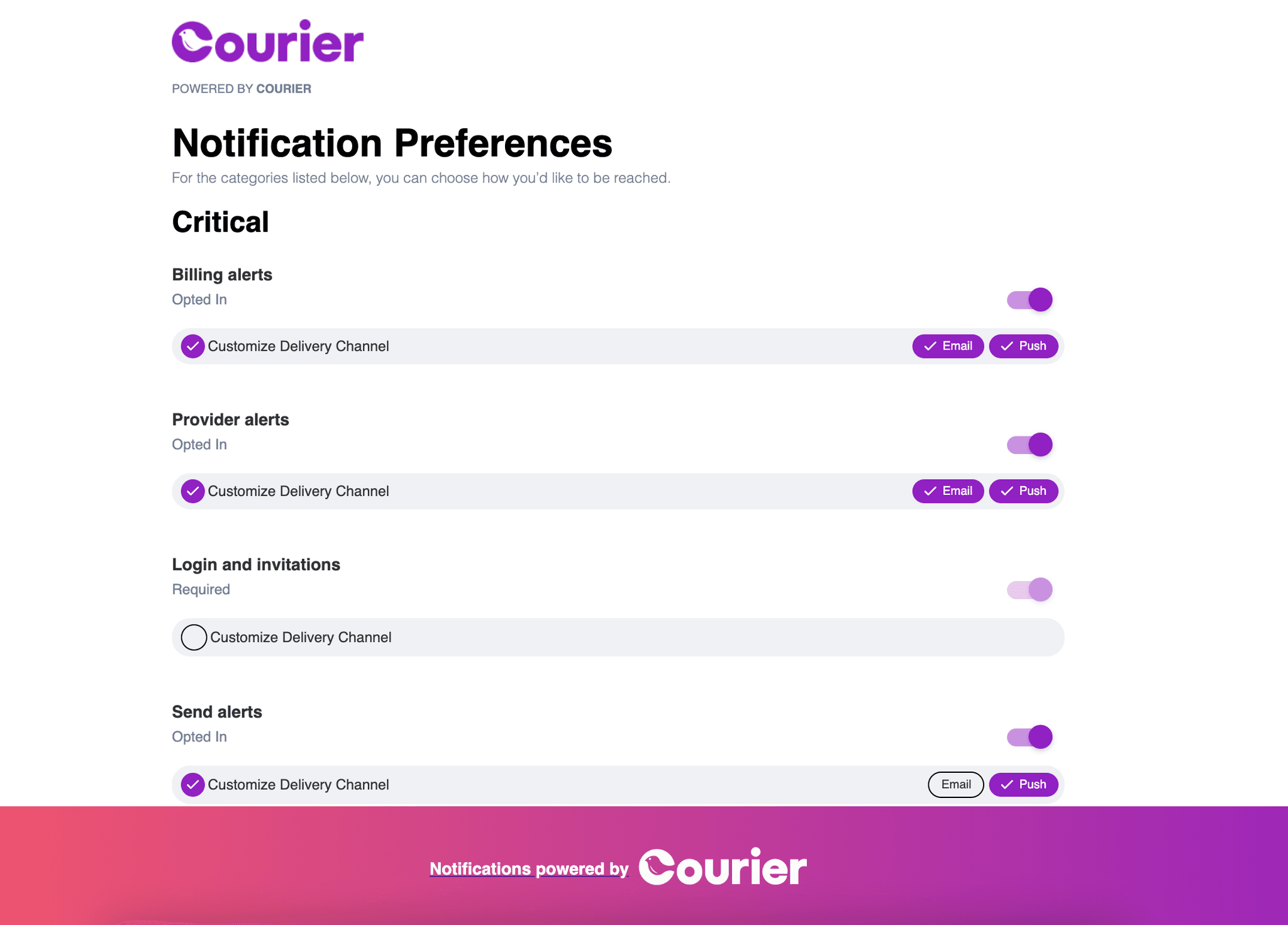
Courier provides an embeddable preference center giving users complete visibility into subscriptions. Users configure channel preferences by message type, choosing SMS for urgent updates while preferring email for summaries. Time-based preferences specify delivery windows, preventing inappropriate SMS timing.
The platform automatically enforces granular preferences across all sends, eliminating accidental violations. This ensures user choices are consistently respected without manual intervention or custom preference-checking code.
5. Logging and Analytics Matter
SMS campaigns require detailed tracking to optimize performance and troubleshoot delivery issues. Unlike email with clear bounce and open rates, SMS involves multiple failure points: invalid numbers, carrier blocking, network issues, and user opt-outs. Without comprehensive logging, diagnosing problems becomes guesswork.
Traditional implementations provide limited visibility into message status. You might know a message reached your provider, but understanding recipient delivery, carrier blocking, or invalid number failures requires piecing together multiple sources. This makes optimization difficult and troubleshooting time-consuming.
Courier's message logging and analytics provide complete visibility into every delivery step. The platform tracks status from initial send through final delivery, including provider responses, carrier feedback, and user interactions, enabling data-driven SMS optimization.
Actionable Delivery Insights
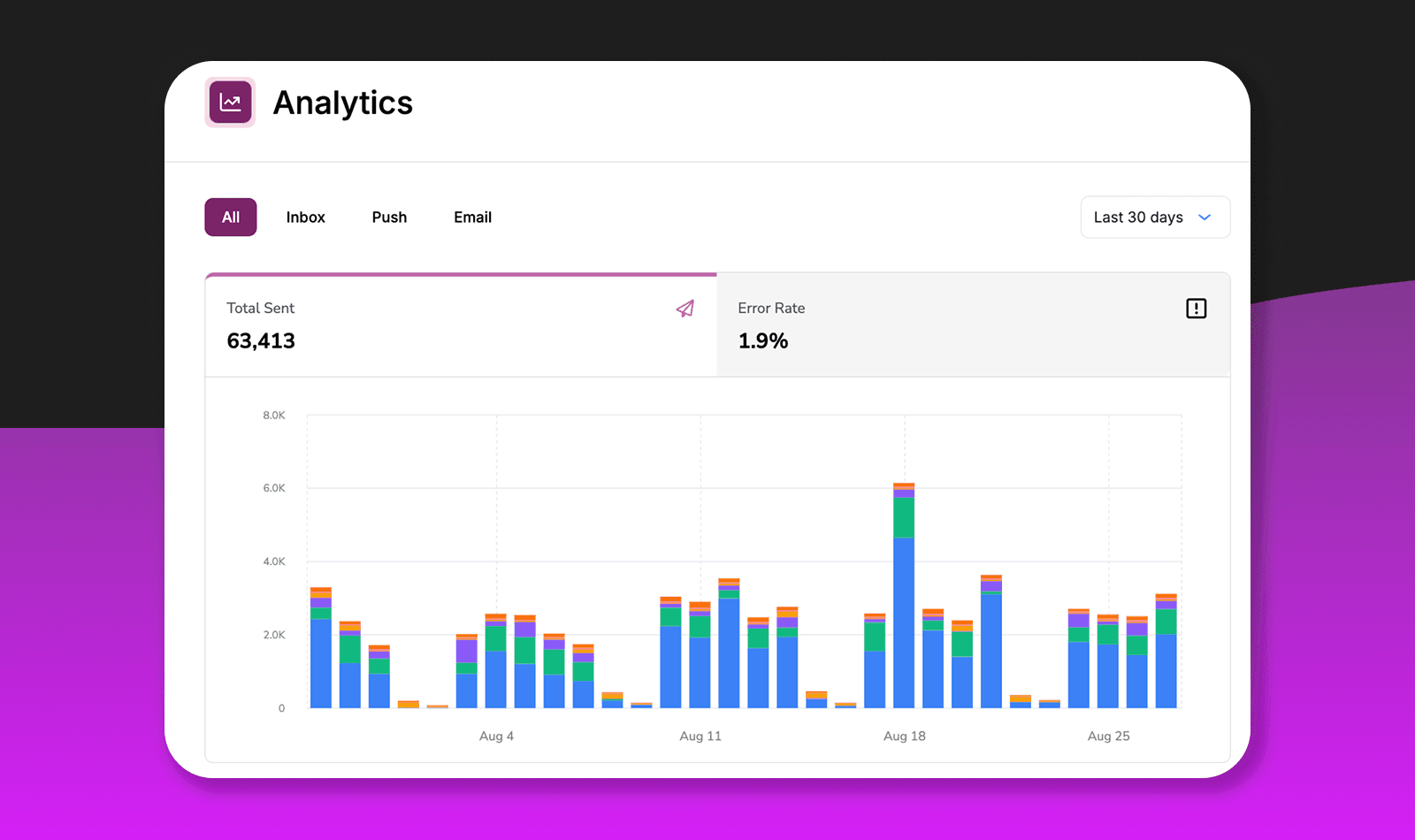
Effective SMS analytics provide actionable insights beyond delivery confirmation. Understanding patterns by carrier, region, and message type identifies optimization opportunities and issues before they impact user experience.
Courier's analytics dashboard consolidates delivery data across providers and channels, enabling performance comparison and optimization. You can identify top-performing providers by region, understand engagement patterns, and track success rates over time for consistent performance.
Ready to Add SMS with Courier?
Courier simplifies SMS implementation by handling routing, failover, and preference management automatically. Focus on crafting effective messages while we manage the technical complexity.
Getting started is straightforward: connect your SMS provider, create templates, and configure intelligent routing. Start with one provider and expand over time as your needs grow.
Ready to begin? Start sending for free or talk to a solutions engineer to discuss your specific requirements.
Frequently Asked Questions
How does Courier handle SMS character limits?
Courier automatically handles SMS segmentation for messages exceeding 160 characters. You can preview how your message will be split in the template editor, and Courier provides character counts for each segment. For critical short messages, you can set up SMS-specific templates that stay within the single-message limit.
Can I use different SMS providers for different regions with Courier?
Yes! Courier supports provider routing rules based on various criteria including recipient location. You can configure region-specific providers to optimize for delivery rates and costs. For example, use Twilio for US numbers and MessageBird for European recipients, all managed through Courier's routing configuration.
What happens to SMS messages when a user's phone number is invalid?
Courier's intelligent routing automatically detects SMS delivery failures and can fail over to alternative channels you've configured. If you've set up email as a fallback, the message will be delivered there instead. Courier also provides delivery status webhooks so you can update your user database accordingly.
How do I handle SMS opt-out requests with Courier?
Courier automatically processes standard opt-out keywords (STOP, UNSUBSCRIBE, etc.) when using supported providers. These preferences are stored in Courier's preference system and enforced across all future sends. You can also manually update preferences via API or let users manage their own preferences through Courier's hosted preference center.
Does Courier support rich SMS features like MMS or RCS?
Courier focuses on reliable text-based SMS delivery across all providers and regions. For rich media messaging, you might want to combine SMS with other channels. For example, send a brief SMS alert with a link to view rich content in your app or via email. This approach ensures maximum compatibility while still delivering engaging content.
How does Courier help with SMS cost optimization?
Courier helps optimize SMS costs through intelligent routing (only send SMS when necessary), provider selection (choose the most cost-effective provider per region), and message efficiency (preview and optimize message length to minimize segments). The analytics dashboard also helps you track SMS usage and costs across providers.
Similar resources

HIPAA-compliant notifications: where PHI should live
A practical guide to HIPAA-compliant notifications across SMS, push, email, and an in-app inbox. One rule, applied to every channel and every place PHI gets stored, including the systems most teams forget are in scope.

How to get your logo in Gmail and Apple Mail
BIMI puts your logo next to your emails in Gmail and Apple Mail, but there is no upload form. It is earned by locking your domain down. Here is the whole project: what it costs, how long it takes, and the five ways it fails silently.

Email preview tools compared: 6 that render on real devices
Most "email preview" features are simulations. These six open your email in the actual client and send back a screenshot. Here’s what each costs per preview, how much work sits between your template and the result, and which ones you can drive from code.