Topic
Engineering
100 articles
How notification systems are actually built: architecture, delivery guarantees, retries, and the tradeoffs behind each.
Video Guide: Courier MCP + AI Coding (Cursor)
Building notifications into your app just got dramatically easier. Courier's new MCP server brings AI-powered notification assistance directly to your IDE, so you can integrate, test, and manage notifications without ever leaving your workspace. Model Context Protocol servers give AI agents deterministic functionality instead of guessing. Connect your AI assistant directly to Courier's platform, get smart installation guidance, send messages with natural language, and manage users safely—all through Cursor, Claude Code, VS Code, and more.
Best Push Notification Services: A Complete Comparison
Push notifications are critical for modern user engagement. In this guide, we compare the best push notification platforms, from legacy tools like Airship and Firebase to modern APIs like Courier, covering features, pricing, and developer experience.
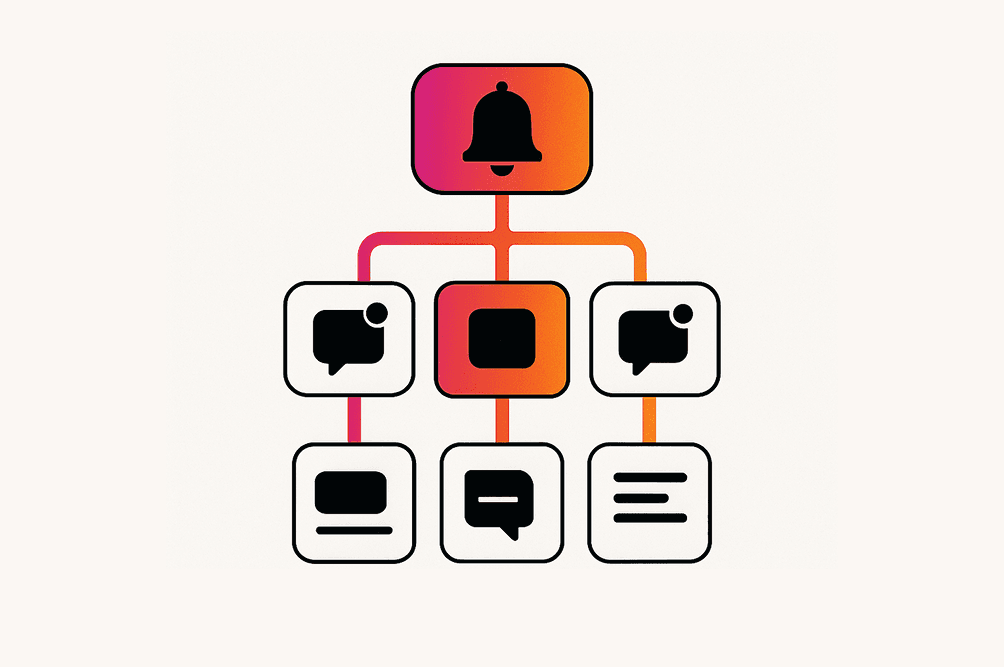
Why You Need Multi-Tenant Infrastructure for Notifications
If you sell to businesses, every customer account needs its own brand, defaults, and wording. Here's how to model that with Courier tenants, with real API calls.

How to Send an SMS in Java
Send an SMS in Java using the Courier SDK with your existing Twilio account as the provider. Complete working code, step-by-step setup, and a direct Twilio comparison for when the orchestration layer is overkill.
Why ByteDance Built Lynx? Because React Native Left a Gap
ByteDance didn’t adopt React Native or Flutter. Instead, they built their own mobile framework: Lynx. With native rendering, support for multiple JavaScript frameworks, and a focus on performance, Lynx reflects a broader shift in how modern teams approach cross-platform development. In this post, we look at why it was built, what problems it solves, and whether it’s a sign of what’s coming next.
Cross-Platform Development in 2025: Lynx vs. React Native vs. Flutter
Lynx, React Native, and Flutter each offer a unique approach to cross-platform development in 2025. Lynx brings a web-native workflow with full CSS support, React Native thrives on its vast ecosystem and React compatibility, while Flutter delivers consistent UIs with high-performance rendering. This breakdown explores their strengths, technical differences, and which framework suits your next project.
Firebase Dynamic Links Are Shutting Down – What’s Next for Notifications & Deep Linking?
Firebase Dynamic Links will be discontinued by August 25, 2025, impacting push notifications, SMS, and email deep linking. Discover the best alternatives, from App Links and Universal Links to third-party services and custom solutions.
The Evolution of Mobile Development: From native apps to Flutter, React Native, and AI
Mobile development has come a long way—from the challenges of native apps to the rise of cross-platform tools like React Native and Flutter. Now, AI is driving a new wave of innovation, making app creation faster, smarter, and more accessible than ever. Explore the journey and see what’s next for developers.

Building a Great UX Outside of your App
This article argues that there’s a more important user experience than the one inside your app.