Topic
Customer Journeys
7 articles
How B2B teams build and automate customer journeys, from journeys-as-code to AI-generated flows.
Run lifecycle marketing from Claude Code, Cursor, or Codex
Connect your coding agent to Courier's CLI or MCP server, install Courier Skills, and keep a small folder of markdown context files. From there, one person with Claude Code, Cursor, or Codex covers the work that used to need a lifecycle marketer, an email designer, a marketing ops hire, and an engineer: planning campaigns, shipping templates, building journeys, auditing every notification, and debugging delivery without opening a dashboard.

Create a customer journey from AI coding agent
Use Courier's Journey API to create multistep customer engagement workflows from your coding agent of choice. Describe the kind of journey you'd like to create, answer a few questions, and publish to the platform.
Courier journeys, as code
Most journeys don't die because they were hard to build. They die because they're hard to change. Courier journeys are now programmable: a public Journeys API with SDKs, a CLI, and an agent skill on top. Describe a flow to your coding agent, review the plan, and ship it.
Turn customer context into personalized messaging with AI
Build adaptive customer messaging with Courier Journeys. Use AI nodes to classify users, generate notification copy, enrich profiles, and route each workflow based on structured AI output.
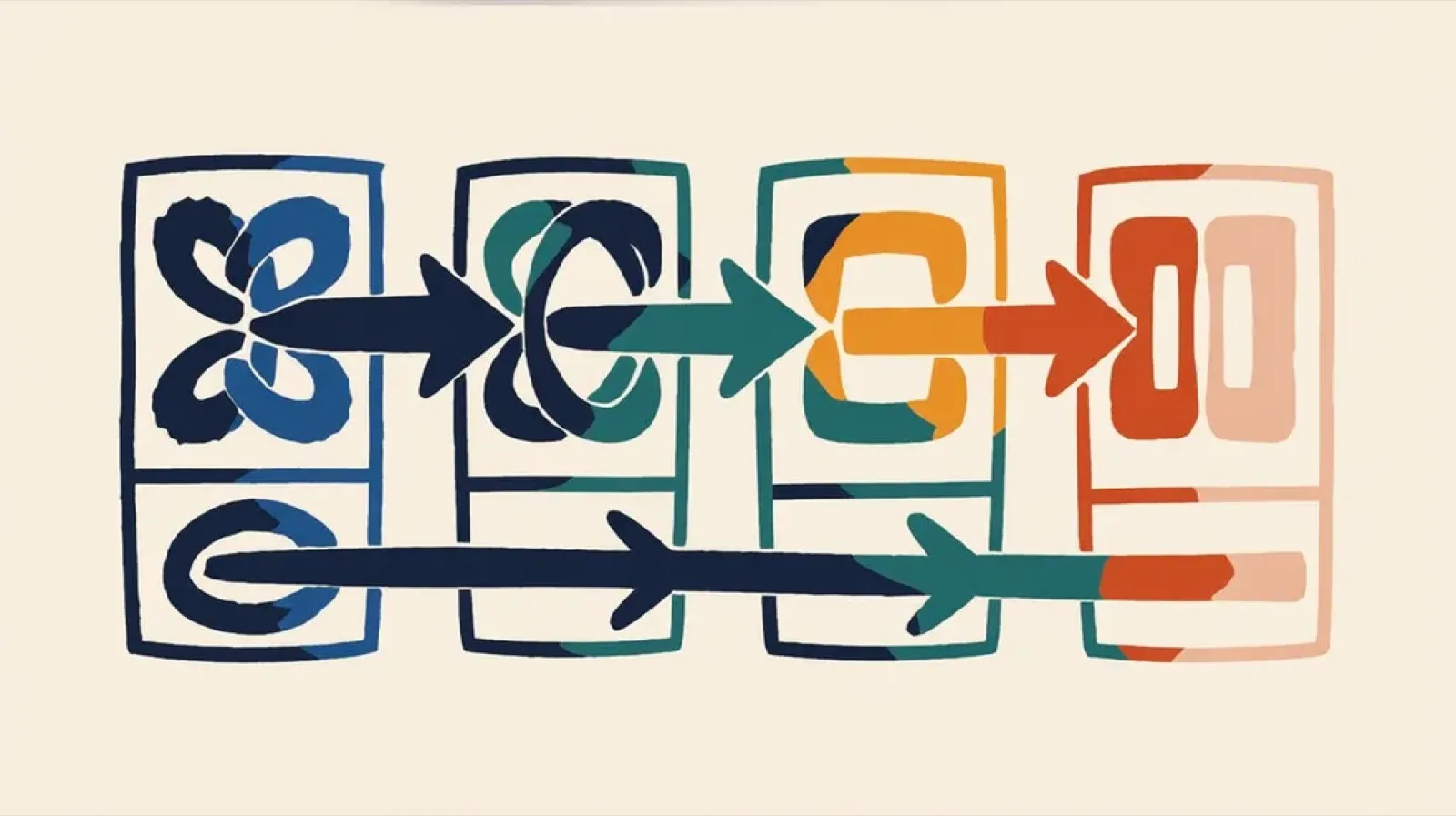
Build a Multichannel Onboarding Series in 30 Minutes
A walkthrough of building a four-part multichannel onboarding series (email, in-app inbox, mobile push, and Slack) in 30 minutes: Claude Code and Cowork to orchestrate, Claude Design to mock each channel, Courier Skills to turn mocks into Elemental templates, the Courier MCP server to publish them, and the Courier CLI to send tests. Covers the strategy behind the sequence and how to wire it into a Journey.
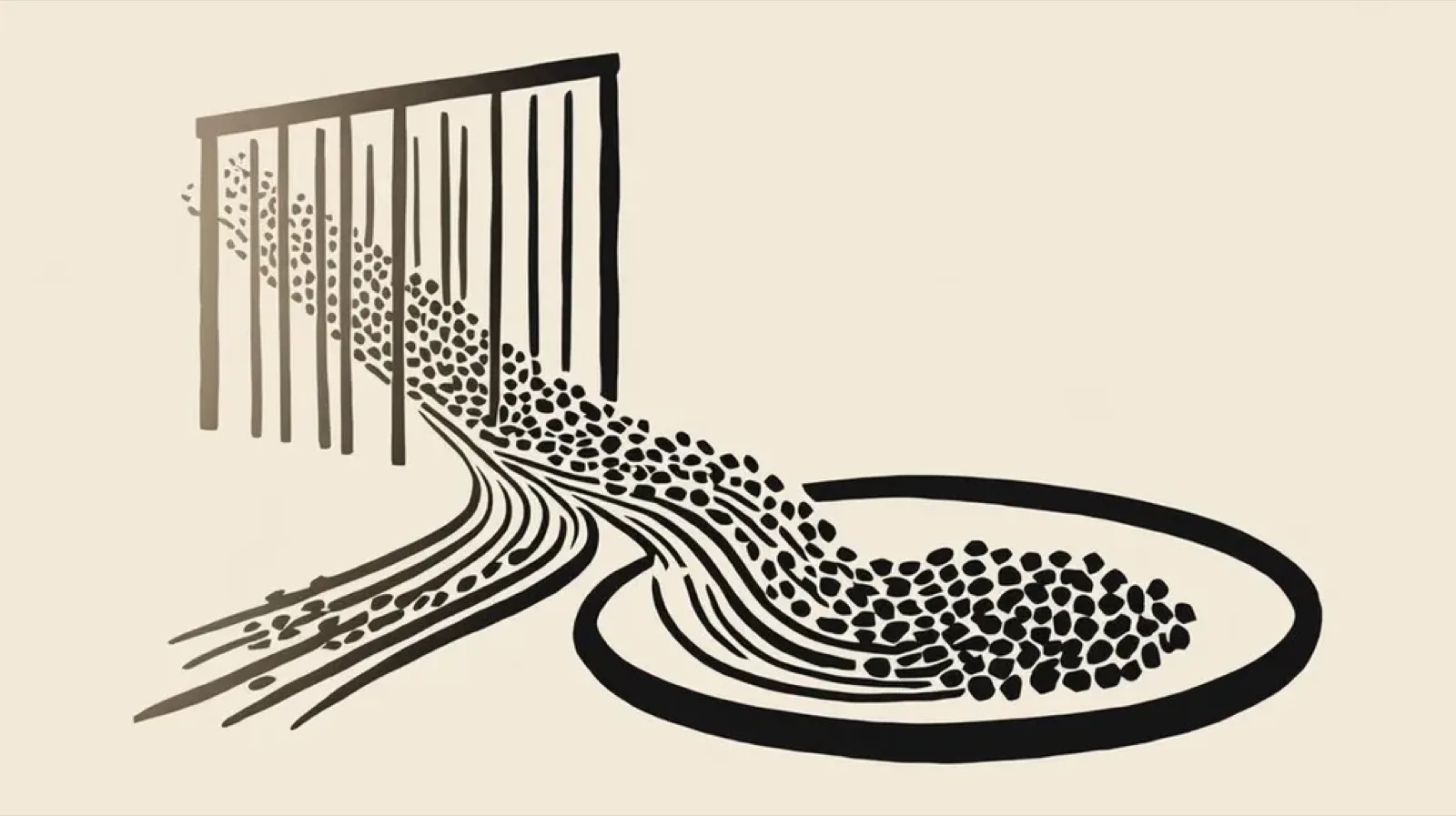
Throttling notifications across product, transactional, and marketing streams
A notification throttle that drops every event over a limit works fine for marketing nurtures and fails for product notifications, because product events carry context users actually need. The fix is pairing throttling with auto-batch: overflow events feed a batch node that rolls them up into a single digest, optionally rewritten by an AI node that prioritizes and summarizes the contents. This guide covers per-stream throttle setups for transactional, product, and marketing flows, and how the Courier Journeys AI node and fetch-data node fit into the pattern.
5 Mistakes Teams Make Building Customer Journeys
Most journey problems don't announce themselves. They show up as rising unsubscribe rates, softer engagement, and a sense that messaging used to work better. This post breaks down five mistakes teams repeat when building customer journeys: shipping too many without coordination, building journeys with no exit criteria, treating channels as interchangeable, letting the org chart dictate the flow, and using time delays where event triggers belong. Each section names a specific fix you can apply before you ship the next sequence.