The Courier Blog
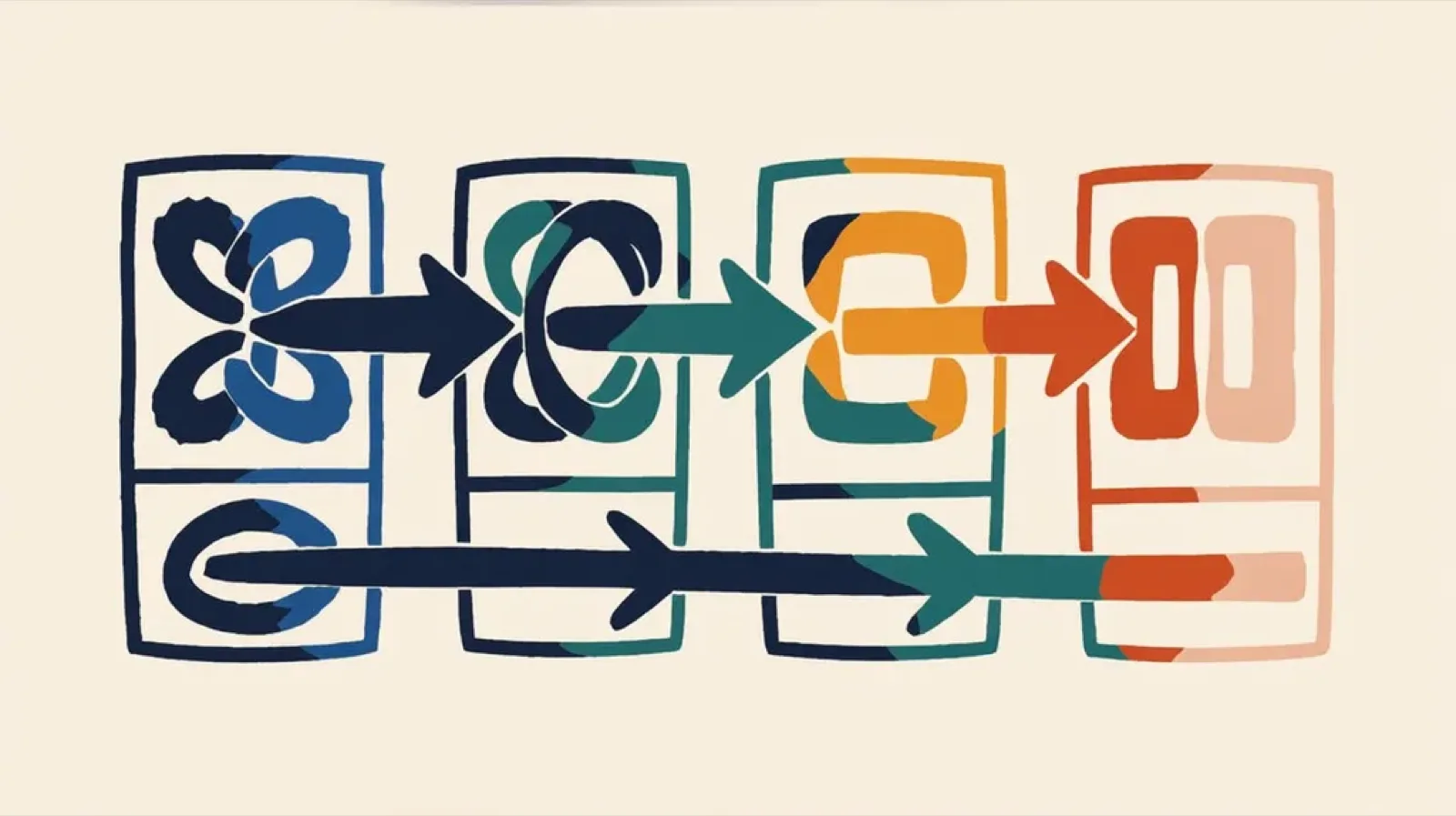
Using Claude Design, Claude Code, and Courier AI to Create a Multichannel Onboarding Series in 30 Minutes
A walkthrough of building a four-part multichannel onboarding series (email, in-app inbox, mobile push, and Slack) in 30 minutes using Claude Code and Cowork to orchestrate, Claude Design to mock each channel, the courier-template-builder skill to translate mocks into Elemental JSON, the Courier MCP to publish templates, and the Courier CLI to test sends. Covers the strategy behind the sequence and recommendations for anyone doing the same.

Throttling notifications across product, transactional, and marketing streams
A notification throttle that drops every event over a limit works fine for marketing nurtures and fails for product notifications, because product events carry context users actually need. The fix is pairing throttling with auto-batch: overflow events feed a batch node that rolls them up into a single digest, optionally rewritten by an AI node that prioritizes and summarizes the contents. This guide covers per-stream throttle setups for transactional, product, and marketing flows, and how the Courier Journeys AI node and fetch-data node fit into the pattern.

5 Mistakes Teams Make Building Customer Journeys
Most journey problems don't announce themselves. They show up as rising unsubscribe rates, softer engagement, and a sense that messaging used to work better. This post breaks down five mistakes teams repeat when building customer journeys: shipping too many without coordination, building journeys with no exit criteria, treating channels as interchangeable, letting the org chart dictate the flow, and using time delays where event triggers belong. Each section names a specific fix you can apply before you ship the next sequence.

5 Best Platforms for Product Messages in 2026
Product messages are a requirement for every SaaS product, but most teams outgrow their initial setup fast. You start with one email provider, add push, then SMS, and suddenly you're maintaining multiple integrations with no shared routing, no preference management, and every copy change requires a deploy. This guide compares five platforms that solve different versions of this problem: Courier for cross-channel messaging with AI tooling, Resend for developer-friendly transactional email, Customer.io for marketing-adjacent journeys, Supabase for built-in auth emails, and Novu for open-source self-hosted infrastructure.
How to Send Notifications from an AI Agent with Courier's MCP Server
AI agents handle support tickets, monitor pipelines, run onboarding flows, and sync CRM data. When they do, someone needs to know what happened. Courier's MCP server gives agents direct access to the full notification API: send across email, push, SMS, Slack, and in-app. Check user preferences before sending. Trigger batch and digest Journeys so high-volume agents don't spam users. This guide covers MCP server setup, CLI tooling, Courier Skills for your IDE, and five real-world patterns with starter prompts.
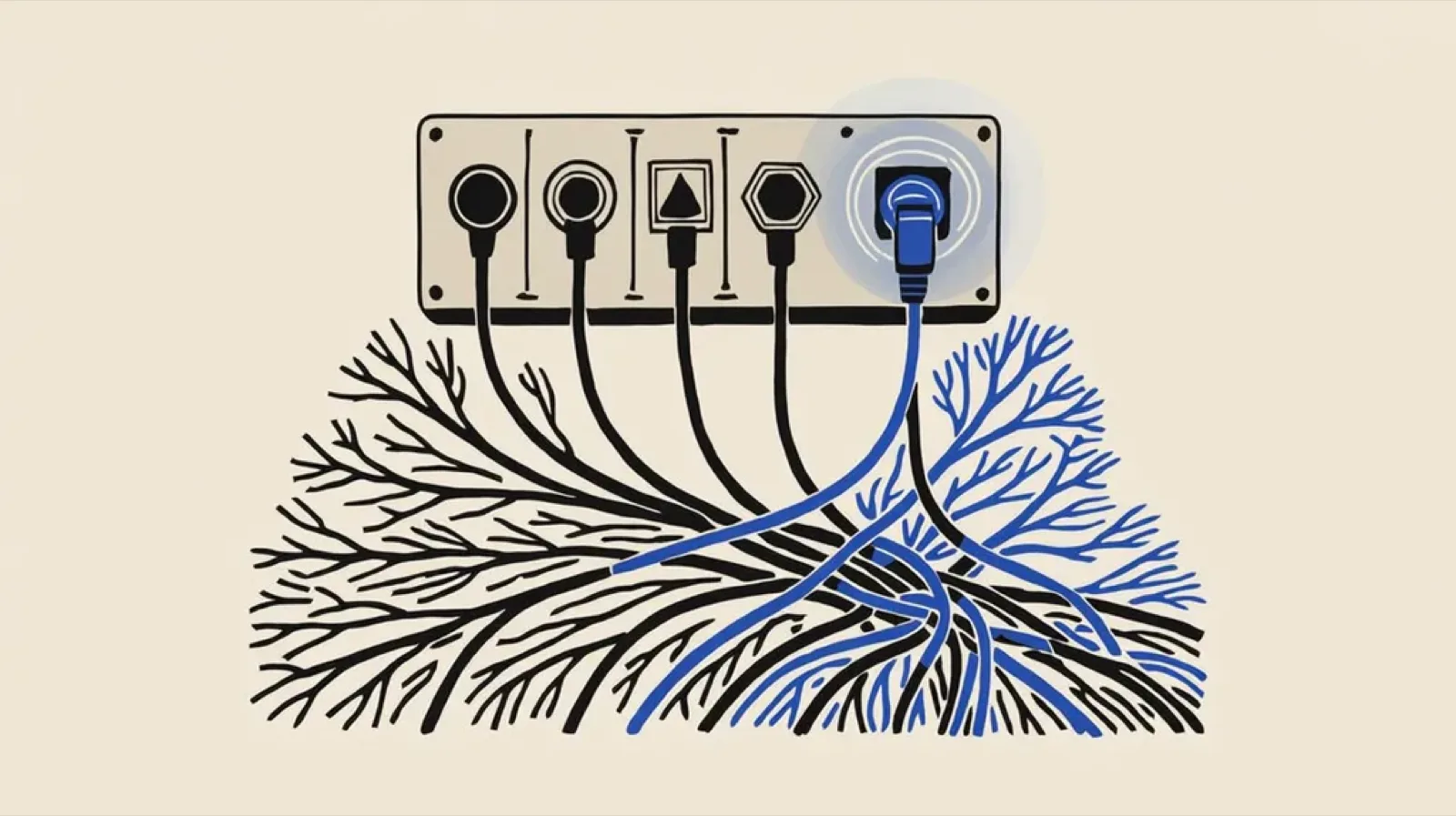
Build with AI: let your agent handle notifications end to end
Courier's Build with AI toolkit gives coding agents direct access to your notification infrastructure. Four integration points, one goal: let your agent send messages, debug deliveries, manage users, and follow notification best practices without context-switching. Works with Claude Code, Cursor, and any agent that can run shell commands or call MCP tools.

How to Use Claude Code on Mobile to Design, Test, and Ship Multichannel Notifications
A walkthrough of using Claude Code's mobile app with Courier's MCP server and CLI to design, test, and ship a multichannel product announcement from a phone. Covers the full workflow: drafting the content outline, creating notification templates using Courier's elemental format, building channel-specific variants for email, Slack, push, and SMS, customizing brand styling through the API, iterating on design with test sends, getting team approval, and publishing with custom routing rules. The whole thing took a couple hours, mostly cold start and design iterations.

Fonts in email: what works, what breaks, and how to fix it
Email clients don't agree on fonts. Gmail strips your custom typeface, Outlook sometimes defaults to Times New Roman, and Apple Mail handles web fonts fine. This guide covers what the industry actually does: fallback-first font stacks, progressive enhancement, readability standards, and a pre-send QA workflow

Debug Delivery Issues in Your AI Editor with MCP
Between quarterly audits, delivery issues don’t wait. When emails fail or alerts fire, you need answers fast. Courier’s MCP server lets you debug notifications conversationally—find the message, trace its timeline, and inspect user data in minutes. Instead of jumping between dashboards, your AI agent pulls everything on demand, surfaces root causes, and even automates investigations. The result: faster fixes, less guesswork, and a smarter, always-on reliability workflow.