The Courier Blog

Customer messaging tools that don't need engineers
Most companies run two systems: a marketing tool for campaigns, and something else for product notifications. Here are nine tools product and growth teams can run without engineering, what still needs a developer, and what each one costs.
A developer's alternative to Salesforce Marketing Cloud
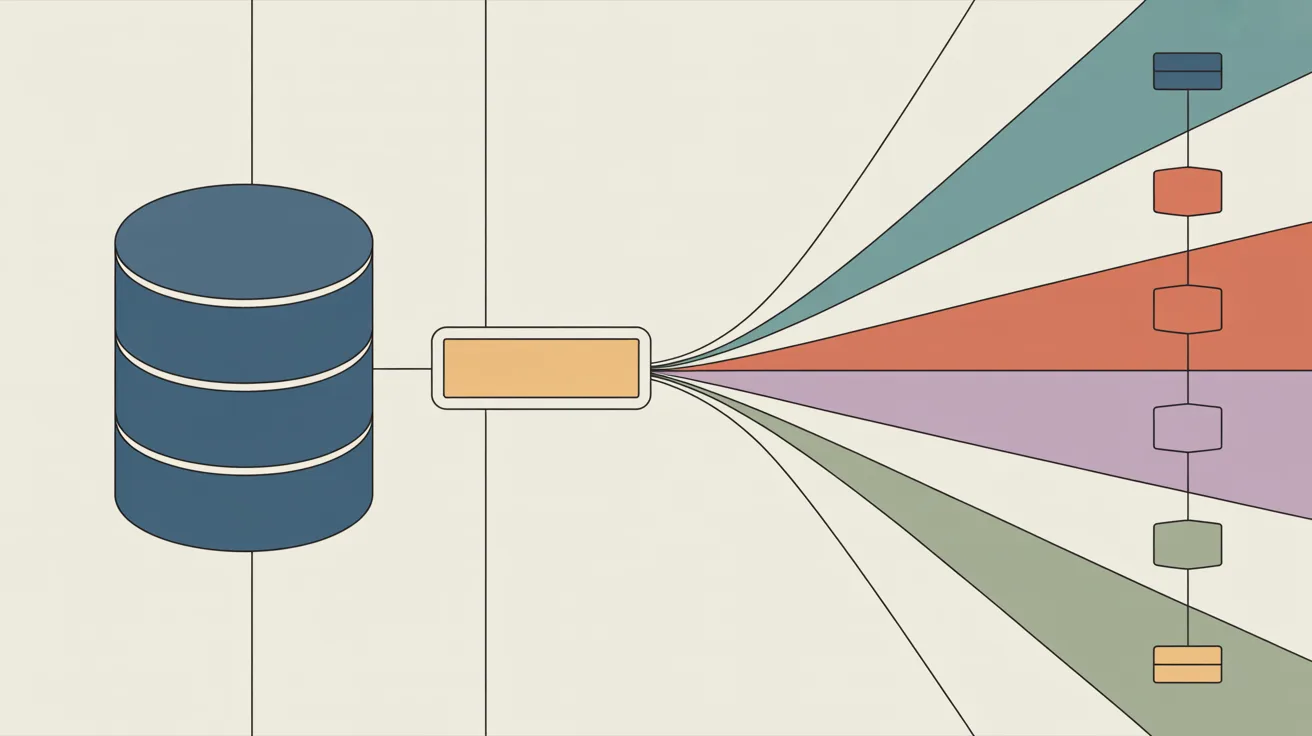
Salesforce Marketing Cloud is expensive, hard to navigate, and needs its own specialist developers to run. The answer isn't leaving Salesforce. It's keeping your CRM as the system of record and moving message delivery to a surface your own engineers, marketers, and AI agents can build on. Here's the architecture, the cost math, and an honest look at when to stay.

Courier Skills: teach your AI agent to build with Courier
Courier Skills is a free, open-source knowledge base that teaches your AI coding agent how to build and debug notifications with Courier: the right primitive for each use case, the exact payload shapes, and the mistakes that produce unhelpful errors. The rebuilt version is smaller, leads every reference with the failure modes, and installs on any agent that reads skills with one command: `npx skills add trycourier/courier-skills`.

The federal texting rule your transportation and logistics software is breaking
A single text to a driving trucker can trigger a federal fine of up to $11,000 for the motor carrier, and your transportation and logistics software is often what sent it. How to design driver notifications that stay on the right side of FMCSA rules.

How to send messages and not piss off your customers
Every notification looks reasonable in isolation. Your customers don't experience them one at a time, they experience all of them before lunch. Here's why sending less beats sending more.

How to Design an In-App Notification Center: UX tips and examples
A design-focused guide to building an in-app notification center people actually use. Covers the UX decisions that matter (entry point, information hierarchy, read state, grouping, empty states, inline actions, real-time, accessibility), then shows three ways to execute in Courier Inbox: brand-match with a theme, take over individual pieces with render props, or go fully headless with the `useCourier` hook. Ends with a pre-ship checklist.
How Apple's on-device AI works, and what it changes for your users
Apple's 2026 on-device models (AFM 3) are good enough to read, rank, and summarize everything that lands on your phone, locally and for free. Here's how they actually work, in plain terms, and how a model that reads every message before your users do changes what you should send.

Apple Intelligence finally got smart. Here's how it changes the notifications your users see.
Apple Intelligence's on-device models got dramatically better in iOS 27, and they now summarize, rank, and filter notifications before your users ever see them. There's no API to control that, so the words you send are the only lever you have. Here's how notification summaries work and how to write for them.

Broadcasts: send one-time messages to your users, right from Courier
Broadcasts lets you send a one-time message to a group of your users, now or on a schedule, without leaving Courier.